
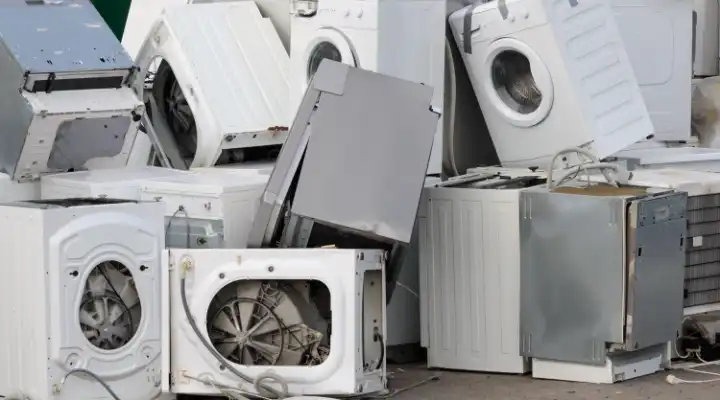
Appliances are an essential part of modern life. Refrigerators, washing machines, microwaves, and air conditioners make many daily household tasks easier. However, when these appliances reach the end of their useful life, an important question arises: what should be done with them?
Improper disposal of appliances can have negative consequences for both the environment and human safety. Many of these devices contain materials that must be handled properly, such as electronic components, metals, plastics, and, in some cases, substances that require specialized treatment.
For this reason, it is essential to know the available options for disposing of appliances responsibly, reducing environmental impact and making the most of recyclable materials.
- Why Proper Appliance Disposal Is Important
- Assess Whether the Appliance Can Still Be Used
- Responsible Options for Disposing of an Appliance
- What to Do Before Taking an Appliance for Recycling
- The Benefits of Appliance Recycling
- Signs That an Appliance Has Reached the End of Its Useful Life
- The Role of Technical Service in Appliance Management
- Conclusion
Why Proper Appliance Disposal Is Important
When an appliance stops working or is replaced by a new one, it may be tempting to simply throw it away with other household waste. However, these devices are made up of numerous components that should not end up in a regular landfill.
Many appliances contain materials that can be recycled, such as steel, aluminum, copper, and various types of plastic. Recovering these materials helps reduce the extraction of new natural resources and decreases the environmental impact of manufacturing new products.
Additionally, some appliances include elements that require special handling. For example, refrigerators and air conditioners contain refrigerant gases that must be managed properly to avoid environmental damage.
For these reasons, responsible management of end-of-life appliances is an important part of modern waste management.
Assess Whether the Appliance Can Still Be Used
Before disposing of an appliance, it is worth analyzing whether it has truly reached the end of its useful life. In many cases, a technical inspection or a simple repair can restore the appliance to a functional state.
When an appliance can still be repaired, its lifespan is extended, and the amount of electronic waste generated is reduced. Additionally, repairing a device is often more cost-effective than purchasing a new one.
If the appliance is no longer needed at home but still works properly, it may also be possible to donate or sell it. Some individuals or organizations can give it a second life, preventing the appliance from becoming waste prematurely.
Responsible Options for Disposing of an Appliance
When an appliance can no longer be repaired or its functionality is very limited, there are several responsible ways to manage its disposal.
One of the most recommended alternatives is to go to specialized recycling centers. These facilities are equipped to dismantle appliances, separate their components, and properly handle materials that can be reused.
Some of the most common options for disposing of appliances include:
- Electronic waste recycling centers, where electrical and electronic devices are processed safely.
- Municipal collection programs, which in many cities include the pickup of large appliances.
- Manufacturer or retailer take-back programs, which sometimes collect the old appliance when a new one is purchased.
These options ensure that appliance components are properly handled and recyclable materials are recovered.
What to Do Before Taking an Appliance for Recycling
Before taking an appliance to a recycling center or handing it in for collection, it is advisable to carry out a few simple steps to facilitate its handling.
First, it is important to disconnect the appliance and ensure it is completely empty. In the case of refrigerators or freezers, it is recommended to remove food and clean the interior to prevent odors or residue.
It is also advisable to remove loose accessories or detachable parts that could be lost during transport. In some cases, these parts can be recycled separately or reused as spare components.
If the appliance contains stored information, as is the case with some modern devices, it is recommended to check whether there is a procedure to erase this data before disposal.
The Benefits of Appliance Recycling
Proper recycling of appliances offers multiple benefits for both the environment and society.
One of the main benefits is the recovery of valuable materials. Metals such as copper, aluminum, and steel can be reused in the production of new products, reducing the need to extract natural resources.
Additionally, recycling helps prevent potentially polluting substances from being released into the environment. When appliances are dismantled in specialized facilities, components that require special handling are managed safely.
Some of the most important benefits of appliance recycling include:
- Reduction of electronic waste in landfills.
- Recovery of reusable materials.
- Reduction of the environmental impact of industrial production.
- Safe handling of potentially hazardous components.
Thanks to these processes, recycling contributes to a more sustainable consumption system.
Signs That an Appliance Has Reached the End of Its Useful Life
Although some appliances can be repaired multiple times, there comes a point when keeping them in operation is no longer practical or safe.
There are several signs that indicate an appliance may have reached the end of its useful life:
- Frequent malfunctions or recurring breakdowns.
- Energy consumption much higher than usual.
- Components for which spare parts are no longer available.
- Safety issues such as overheating or leaks.
In these situations, replacing the appliance and disposing of it properly is usually the most responsible decision.
The Role of Technical Service in Appliance Management
Specialized technical services can also play an important role in the responsible management of appliances. In addition to repairing devices, many technicians can assess whether an appliance can still function properly or if replacing it is the best option.
In some cases, parts from a non-functioning appliance can be reused as spare components for other devices. This reduces waste and allows components that are still in good condition to be utilized.
Consulting a technician before disposing of an appliance can help make a more informed and responsible decision.
Conclusion
Appliances are essential tools in the home, but when they stop functioning properly, it is important to manage them appropriately. Disposing of them responsibly helps protect the environment, recover valuable materials, and reduce the amount of electronic waste.
Before getting rid of a device, it is worth considering whether it can be repaired, reused, or donated. When this is not possible, going to specialized recycling centers or collection programs is the best option.
Adopting responsible habits in appliance management not only contributes to a cleaner and more sustainable environment but also promotes more conscious use of available resources.