
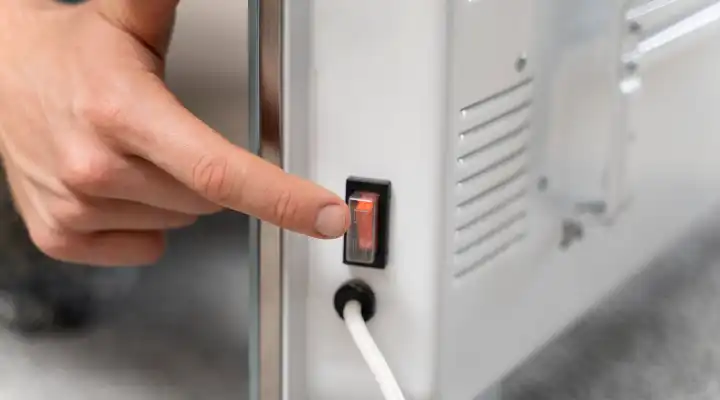
Household appliances are an essential part of daily life. Equipment such as refrigerators, washing machines, microwaves, and air conditioners help us save time and make many household tasks more convenient. However, they are also electrical and mechanical devices that must be used properly to avoid accidents or breakdowns.
In many homes, appliance problems appear due to small oversights that accumulate over time. Incorrect installation, lack of maintenance, or improper use can lead to malfunctions that affect both the equipment and the safety of the home.
For this reason, it is important to know how to prevent risks, identify warning signs, and apply good maintenance practices. These actions not only help avoid costly repairs but also extend the lifespan of household appliances.
- The Importance of Safety When Using Household Appliances
- Electrical Installations: A Key Factor for Safety
- Preventive Maintenance: An Essential Practice
- Proper Use of Household Appliances
- Water and Electricity: A Combination That Requires Caution
- Signs That an Appliance Needs Inspection
- The Importance of Having Professional Technical Service
- Conclusion
The Importance of Safety When Using Household Appliances
Modern appliances are designed to operate for many years and include built-in safety systems. Even so, their proper functioning largely depends on the conditions in which they are used.
When a device develops faults or is used incorrectly, problems such as overheating, water leaks, or electrical failures may arise. These incidents can affect the appliance’s performance and, in some cases, represent a risk to the home.
Among the most common safety-related problems are:
- Deteriorated or overloaded electrical connections.
- Lack of maintenance in filters and ventilation systems.
- Improper use of the equipment.
- Water leaks near electrical components.
Identifying these risks and taking action in time is essential to maintaining a safe home environment.
Electrical Installations: A Key Factor for Safety
A large portion of appliance problems is related to the home’s electrical system. In many houses, extension cords or adapters are used to connect several devices to the same outlet, which can cause overloads.
High-power appliances, such as refrigerators, dryers, or air conditioners, require proper connections to function correctly. When the electrical installation is not adequate, the cables may overheat or voltage fluctuations may occur, which can damage the equipment.
Some warning signs that should not be ignored include:
- A burning smell near outlets.
- Cables that become hot when touched.
- Sparks when plugging in or unplugging an appliance.
- Devices that suddenly turn off.
If any of these symptoms appear, the most advisable action is to unplug the appliance and request a technical inspection.
Preventive Maintenance: An Essential Practice
Appliance maintenance is one of the most effective ways to prevent malfunctions. With daily use, appliances accumulate dust, grease, and debris that can affect their performance.
A refrigerator, for example, can lose efficiency if the condenser coils are covered with dust. Similarly, an air conditioner with dirty filters has to work harder to cool the room, which increases energy consumption and accelerates wear on the equipment.
Performing some basic maintenance tasks periodically can make a big difference. Some of the most recommended include:
- Regularly cleaning the air conditioner filters.
- Checking washing machine hoses to prevent leaks.
- Removing lint buildup from the dryer.
- Keeping appliance vents clean.
These simple actions help improve appliance performance and reduce the risk of breakdowns.
Proper Use of Household Appliances
Although it may seem obvious, many malfunctions occur simply because appliances are used incorrectly. Each device is designed to operate within certain limits and usage conditions.
When those limits are frequently exceeded, the internal components experience greater wear. A common example is overloading the washing machine with more laundry than recommended, which forces the motor to work harder.
Other frequent mistakes include placing metallic objects in the microwave, blocking the ventilation outlets of appliances, or using cleaning products that are not suitable for the device.
Reading the manufacturer’s instructions and following the basic usage recommendations may seem like a minor detail, but it is actually one of the most effective ways to avoid technical problems in the long term.
Water and Electricity: A Combination That Requires Caution
Many appliances operate near water sources, which makes prevention especially important. Equipment such as washing machines, refrigerators, or air conditioners use drainage systems or hoses that must be kept in good condition.
If these connections deteriorate, leaks may occur and come into contact with electrical components. This situation can cause short circuits or damage the appliance.
To reduce these risks, it is recommended to:
- Periodically check the condition of the hoses.
- Avoid handling appliances with wet hands.
- Keep cables away from damp areas.
Small preventive measures can help avoid bigger problems.
Signs That an Appliance Needs Inspection
Appliances often show signs when something is not working properly. Paying attention to these indications can help detect faults before they turn into more serious breakdowns.
Some common symptoms include:
- Unusual noises during operation.
- Excessive vibrations.
- Water leaks.
- A burning smell.
- An unexpected increase in electricity consumption.
When these signs appear, the most recommended action is to stop using the appliance and consult a specialized technician.
The Importance of Having Professional Technical Service
Although some cleaning or inspection tasks can be carried out at home, many repairs require technical knowledge and specialized tools.
A professional technical service can accurately diagnose the source of the problem, replace damaged components, and verify that the appliance operates safely.
In addition, a professional inspection makes it possible to detect issues before they turn into major breakdowns, which helps reduce repair costs and extend the lifespan of appliances.
Conclusion
Household appliances are essential allies in the home, but their safety largely depends on how they are used and the maintenance they receive.
Paying attention to electrical connections, cleaning appliances regularly, and following usage recommendations are simple habits that help prevent accidents and improve the performance of these devices.
When a sign of malfunction appears, acting promptly and relying on a specialized technical service can make the difference between a simple repair and a major problem.
Keeping appliances in good condition not only protects the investment made in them, but also helps maintain a safer home.