
Why Appliances Wear Out Over Time
Appliances are designed to last for many years, but their lifespan largely depends on the maintenance and usage they receive.
Studies on household energy consumption indicate that some appliances, such as washing machines, can account for around 8% of the home’s annual electricity consumption, reflecting how frequently they are used.
Due to this constant use, the wear of components such as motors, heating elements, and electronic systems is inevitable. However, adopting proper habits can significantly reduce the risk of malfunctions.
Importance of Preventive Maintenance
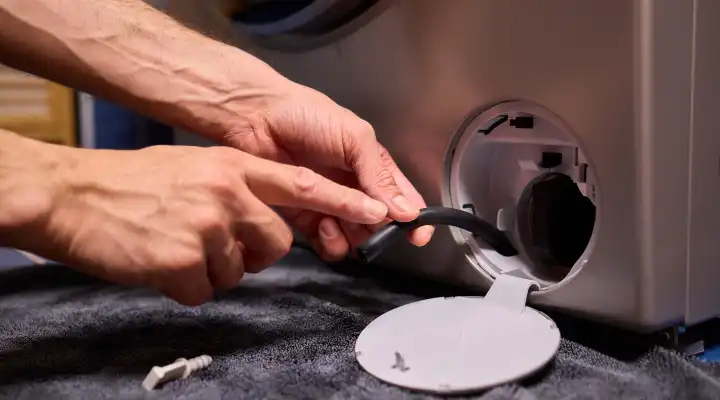
Preventive maintenance is one of the best ways to extend the lifespan of appliances. Over time, dust, moisture, and residue can affect the proper functioning of equipment. Some of the most recommended actions include:
- Clean filters regularly.
- Keep ventilation grilles clear.
- Check electrical cables.
- Inspect hoses and connections.
These simple tasks can prevent many common breakdowns.
Common Mistakes That Damage Appliances
Many technical problems arise from improper usage habits. Some of the most frequent mistakes include:
- Overloading the washing machine.
- Blocking the refrigerator’s ventilation.
- Using incorrect detergents.
- Not cleaning the air conditioner filters.
Additionally, in washing machines, it is estimated that up to 90% of the energy consumed is used to heat water, so high-temperature programs can increase wear on the appliance.
When to Perform Technical Maintenance
In addition to basic home maintenance, it is also recommended to carry out periodic technical inspections, especially for appliances such as refrigerators or air conditioners.
A preventive check can detect worn parts before they turn into major breakdowns.