
The freezer is essential for preserving food over long periods. The recommended temperature for most household freezers is approximately –18 °C, a level that ensures food remains safely frozen. When the temperature rises above this level, food can spoil or lose quality.
Common Problems Affecting Cooling
Some of the most frequent causes of this problem include:
Incorrectly Set Thermostat:
Sometimes the thermostat is set too high, which reduces cooling capacity.
Lack of Air Circulation:
When the freezer is too full, cold air does not circulate properly. To improve circulation, it is recommended to:
- Leave space between food items.
- Avoid blocking the air vents.
- Do not overload the compartment.
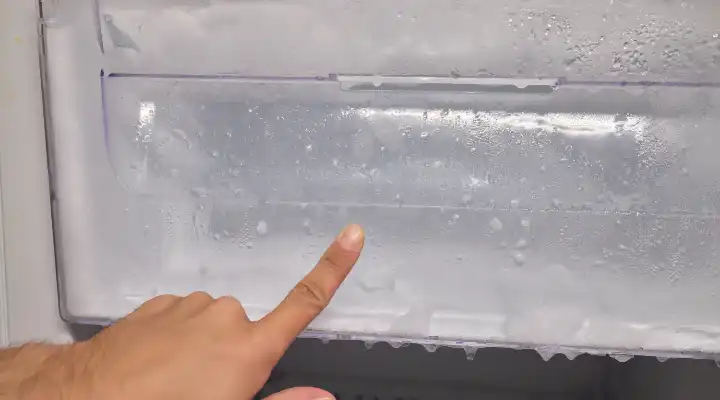
Ice Buildup:
Excess ice can interfere with the refrigeration system. If the freezer does not have an automatic defrost system, it may be necessary to perform periodic manual defrosting.
Components That May Be Damaged
If the freezer still does not cool properly, the problem could be in some internal components such as:
- The evaporator fan.
- The thermostat.
- The compressor.
- The defrost system.
The compressor is one of the most important components of the refrigeration system, and its repair can be one of the most expensive.
When to Contact a Technical Service
When the problem persists after checking the basic settings, it is highly recommended to request a professional inspection.
A technician can quickly identify the source of the fault and prevent further damage to the appliance.