
Appliances are an essential part of our daily lives. They help us preserve food, keep our clothes clean, and cook with ease. However, over time, white goods —such as refrigerators, washing machines, or microwaves— tend to become less efficient. Many households in Panama still use appliances that, although functional, consume more energy and no longer offer the benefits of modern technology.
The good news is that it is not always necessary to replace the entire appliance. There are technological upgrades for older appliances that can improve their performance, reduce energy consumption, and extend their lifespan.
In this article, we explain how to modernize your appliances, what improvements are possible, and when it is advisable to update or replace them.
- Why upgrade an old appliance?
- Most effective technological upgrades
- Incorporating smart technology: a growing trend
- Benefits of upgrading your appliances
- When to upgrade and when to replace?
- Tips for safely upgrading your appliances
- The Future of White Goods: Efficiency, Connectivity, and Sustainability
- In Summary…
Why upgrade an old appliance?
Every year, manufacturers incorporate new technologies that make appliances more efficient, safe, and sustainable. The latest models consume less energy, use recyclable materials, and offer smart features. However, this does not mean that older appliances need to be discarded.
Upgrading an appliance can be a smart decision when the unit still works properly but shows signs of wear or low performance. The main reasons to modernize it include:
- Energy savings: by optimizing motors, thermostats, or lighting systems, electricity consumption can be significantly reduced.
- Greater electrical safety: new components comply with current standards and reduce the risk of overheating.
- Improved performance: technological adjustments enhance power, temperature control, and operating time.
- Reduced environmental impact: extending the lifespan of appliances generates less electronic waste.
In Panama, where humidity and voltage fluctuations can affect appliance performance, carrying out this type of upgrade is especially recommended.
Most effective technological upgrades
Depending on the type of appliance and its age, there are different ways to modernize old appliances. Some upgrades are simple and affordable; others require the intervention of a specialized white goods technician.
One of the most effective upgrades is replacing the compressor or motor with inverter technology versions. This type of motor adjusts its speed according to demand, resulting in quieter operation and up to 30% energy savings. It can also extend the appliance’s lifespan by preventing overloads.
Another important improvement is replacing the mechanical thermostat with a digital one. Digital controls provide more precise temperature regulation and prevent excessive use of the compressor or heater, helping maintain a stable temperature and reducing internal wear.
LED lighting has also become a simple yet very useful upgrade. Replacing incandescent bulbs with LEDs improves interior visibility, generates less heat, and consumes less electricity.
In many cases, it is also advisable to renew wiring and electrical components. Over time, cables deteriorate or lose insulation, which can cause electrical failures or short circuits. Upgrading them with high-quality materials improves home safety.
And if you live in areas where electrical fluctuations are frequent —as is the case in much of Panama— installing surge protectors or line filters is a small investment that can prevent significant damage to your appliances.
Incorporating smart technology: a growing trend
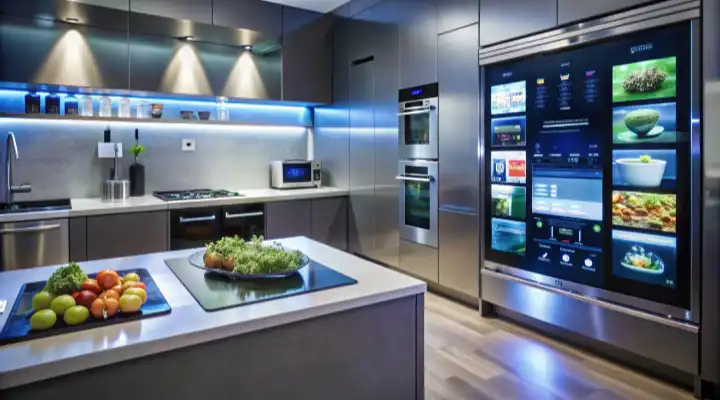
Connectivity is one of the greatest technological revolutions in white goods. Some older appliances can be adapted using external modules or smart plugs, allowing control from a smartphone, scheduling operating times, or monitoring energy consumption.
Although not all models are compatible, these solutions are increasingly accessible and can transform a traditional appliance into a “smart” one without the need for a complete replacement. Additionally, they help better manage energy usage and make it easier to detect potential malfunctions.
Benefits of upgrading your appliances
Updating an old appliance not only improves its performance but also provides long-term economic and environmental benefits. The most important include:
- Energy efficiency: new components and low-consumption motors significantly reduce electricity bills.
- Durability: replacing worn-out parts allows the appliance to continue functioning for many years.
- Safety: modern materials and certified electrical connections prevent risks of short circuits or fires.
- Sustainability: extending the appliance’s lifespan reduces electronic waste generation.
- Convenience: digital controls, automatic sensors, and smart systems simplify daily use.
Upgrading your appliances is, ultimately, a way to save money and contribute to environmental protection.
When to upgrade and when to replace?
Not all appliances are good candidates for an upgrade. In some cases, wear and tear is so extensive that replacing the appliance is more cost-effective than repairing or modernizing it.
Upgrading is advisable when the appliance:
- Is less than ten years old and functions properly, even if less efficiently.
- Has minor electrical or mechanical issues that can be repaired.
- Still has original or compatible replacement parts available.
On the other hand, replacing the appliance is recommended when:
- The compressor or main motor is damaged and repair costs are very high.
- The model is obsolete and replacement parts are no longer available.
- Energy consumption is excessive or it produces constant noise and vibrations.
A professional diagnosis from a white goods service center in Panama can help you make the best decision and avoid unnecessary expenses.
Tips for safely upgrading your appliances
Before making any modifications, it is essential to follow some guidelines to ensure the safety and compatibility of the upgrades:
- Consult certified technicians with experience in repairing and modernizing white goods.
- Use original or high-quality replacement parts, especially for motors, thermostats, and electrical components.
- Check the voltage compatibility and the appliance’s capacity before installing new systems.
- Request an annual preventive technical inspection to detect potential leaks, wear, or abnormal energy consumption.
A specialized workshop, such as Refriparts Panamá S.A., can provide personalized advice, installation of original parts, and full maintenance to keep your appliances working like new.
The Future of White Goods: Efficiency, Connectivity, and Sustainability
The trend in appliances is moving toward energy efficiency and smart connectivity. The latest models feature sensors that automatically adjust temperature, connect to Wi-Fi networks, and can be controlled from a mobile phone.
Upgrading your old appliances is a practical way to adapt to these innovations without making a large investment. Additionally, by taking advantage of available technological upgrades, you reduce your electricity consumption, improve safety, and contribute to a more sustainable home.
In Summary…
Technological upgrades for old appliances are a smart way to improve the efficiency, performance, and safety of your equipment without replacing it entirely. Modernizing motors, controls, wiring, or lighting can transform an old appliance into one that is much more efficient and durable.
Instead of discarding your appliances, consult a specialized technical workshop in Panama that can guide you on the most suitable upgrades. With a professional diagnosis, you can save energy, protect your budget, and enjoy appliances that continue to perform like new.