
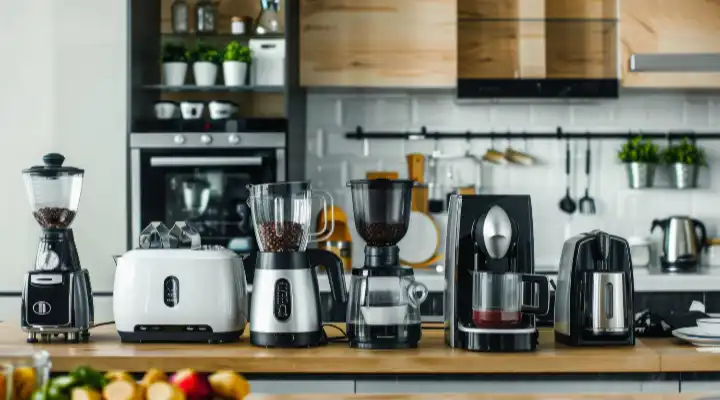
The kitchen is the heart of the home, and appliances are its main allies. From the refrigerator that keeps food fresh to the stove, microwave, or blender that make daily tasks easier, these appliances work every day to make our lives more comfortable. However, constant use, grease, heat, and humidity can accelerate wear and tear if they are not properly cared for.
Implementing a preventive maintenance and cleaning routine not only improves their performance but also extends their lifespan, prevents breakdowns, and reduces energy consumption. In this article, we share practical tips for taking care of kitchen appliances—easy to apply at home and very effective in the long term.
The Importance of Kitchen Appliance Maintenance
Kitchen appliances are exposed to demanding conditions: high temperatures, steam, grease, and humidity. Over time, these factors can affect their performance and cause electrical or mechanical failures.
Regular maintenance allows you to:
- Detect wear or minor damage before it worsens.
- Prevent gas leaks or short circuits.
- Ensure safe and efficient cooking.
- Save energy and money on costly repairs.
In Panama, where the warm and humid climate accelerates rust and the deterioration of metal components, preventive care is even more essential.
General Tips for All Kitchen Appliances
Before focusing on each specific appliance, there are some universal practices that apply to any kitchen device:
- Regular cleaning: clean both the external and internal surfaces after each use. Grease and food residues can build up, causing bad odors or electrical malfunctions.
- Avoid excessive moisture: dry the appliances after cleaning and ensure they are not exposed to steam or direct water.
- Secure connection: use high-quality outlets and extension cords, preferably with surge protection.
- Do not overload appliances: avoid putting more weight or volume than recommended by the manufacturer.
- Unplug appliances when not in use: this prevents overheating and reduces energy consumption.
These simple actions can make a big difference in the durability and performance of your appliances.
Specific Care by Type of Appliance
Each appliance has particular features that require different attention. Below, we explain how to care for the most common kitchen appliances.
- Refrigerator and Freezer
The refrigerator is probably the most important appliance in the home and also one of the highest energy consumers. Proper maintenance is key to preserving food and avoiding unnecessary electricity costs.
Practical tips:
- Clean the condenser coils every six months to prevent overheating.
- Check that the doors seal tightly; replace the gasket if it is damaged.
- Do not put hot food inside, as this forces the compressor to work harder.
- Defrost the freezer when excessive ice builds up.
- Set the thermostat to a medium temperature: colder does not mean better preservation.
A well-maintained refrigerator can last over 15 years and consume up to 20% less electricity.
- Stove and Oven
The stove and oven are the center of the kitchen and are also the most prone to accumulating grease. Regular cleaning and responsible use prevent accidents and ensure even cooking.
Recommendations:
- Clean burners and grates after ea
Benefits of Consistent Care for Kitchen Appliances
Beyond cleaning, regular maintenance of kitchen appliances provides tangible benefits:
- Longer lifespan: well-maintained appliances can last twice as long.
- Energy savings: a clean and calibrated appliance consumes less electricity.
- Fewer breakdowns: reduces the risk of sudden failures or costly repairs.
- Hygiene and safety: preventing grease and residue buildup inhibits bacteria growth and unpleasant odors.
- Efficient performance: food cooks or cools more evenly.
Together, these benefits make maintenance a smart investment for your home.
When to Call Technical Service
While basic maintenance can be done at home, there are situations where it is advisable to consult a professional specializing in household appliances.
You should contact a technical service in Panama, such as Refriparts Panamá S.A., when you notice:
- Burning smells, sparks, or short circuits.
- Unusual noises or vibrations.
- Leaks of gas, water, or refrigerant.
- Low performance or persistent electrical malfunctions.
A qualified technician can diagnose the problem, replace original parts, and ensure a safe repair without compromising the appliance’s performance.
Conclusion
The proper functioning of kitchen appliances depends on consistent care and regular maintenance. Cleaning them frequently, avoiding moisture, checking cables and filters, and not overloading them are simple habits that extend their lifespan, save energy, and ensure your safety.
Remember that, although some cleaning tasks can be done by yourself, specialized technical maintenance is essential to keep your appliances in optimal condition. If you are in Panama, Refriparts Panamá S.A. can assist you with inspection, repair, and professional maintenance services for all your kitchen appliances.
With small care routines, you can keep your appliances working like new for many years.