
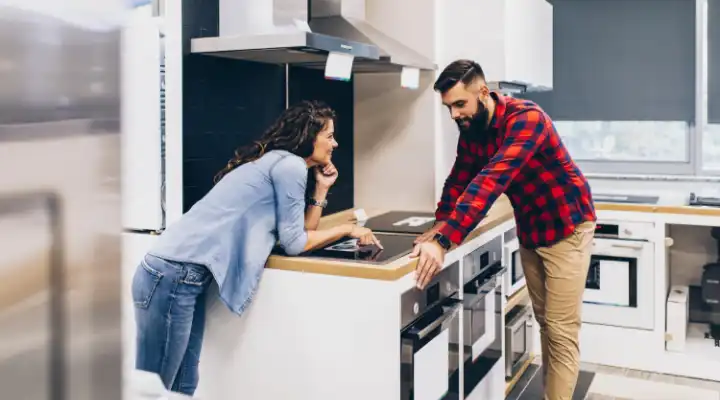
Installing home appliances is a crucial step that is often underestimated. However, improper installation can lead to premature failures, increased energy consumption, and costly repairs in a short period. According to the Association of Home Appliance Manufacturers (AHAM), nearly 30% of breakdowns in new appliances are related to improper installation.
If you have recently purchased a refrigerator, washing machine, dryer, oven, or dishwasher in Panama, this practical guide will help you avoid common mistakes and ensure optimal performance from day one.
Space and Ventilation: Keys to Optimal Performance
One of the most important factors when installing major home appliances is ensuring adequate space. Appliances such as refrigerators and freezers require proper airflow to dissipate the heat generated by the compressor.
Manufacturers recommend leaving between 5 and 10 centimeters (2 to 4 inches) of clearance on the sides and back of the appliance. When ventilation is insufficient, the unit has to work longer to maintain the desired temperature, which can increase electricity consumption by up to 15%, according to energy efficiency studies.
Safe Electrical Installation: Prevent Costly Damage
The electrical connection is another critical aspect of appliance installation. High-power appliances should be connected directly to a properly grounded electrical outlet with the correct voltage (110V or 220V, depending on the appliance).
Using extension cords or multi-outlet adapters can cause electrical overloads and damage electronic components such as control boards or sensors. Replacing these parts typically costs between $80 and $350, depending on the model.
For a safe installation, it is recommended to verify:
- That the electrical outlet is in good condition and properly grounded.
- That the voltage matches the manufacturer’s specifications.
- That there are no exposed wires or makeshift electrical connections.
- Leveling and connections: small details that make a big difference.
Properly leveling the appliance is essential to prevent vibrations, excessive noise, and premature wear. In the case of washing machines, improper leveling can affect the suspension system and shorten the appliance’s lifespan.
Before turning on any appliance, check:
- That the appliance is completely level.
- That the water hoses are securely connected and free of leaks.
- That there are no kinks in the hoses or connections.
- That the power cords are not pinched or under tension.
- That all shipping bolts and transportation restraints have been removed.
A common mistake is forgetting to remove the shipping bolts from washing machines, which can cause internal damage from the very first use.
Refrigerators: Special Care During Initial Installation
Refrigerators require special attention during installation. If the appliance was transported on its side, it is essential to wait between 6 and 24 hours before plugging it in. This waiting period allows the compressor oil to return to its proper position.
Turning the refrigerator on immediately can cause damage to the refrigeration system, and repairs can exceed $200 if the compressor is damaged.
Manufacturer’s Manual: An Essential Resource
Although many people overlook it, the installation manual contains essential information about:
- Minimum water pressure requirements.
- Electrical requirements.
- Safety clearance distances.
- Conditions for maintaining the manufacturer’s warranty.
Following these instructions not only ensures proper operation but also helps prevent the loss of the manufacturer’s warranty coverage.
Energy Efficiency: Long-Term Savings
Choosing energy-efficient appliances also improves your home’s overall performance. According to the ENERGY STAR program, certified appliances can use up to 20% less energy than conventional models.
This translates into significant savings on your annual electricity bill, especially for appliances that operate continuously, such as refrigerators and air conditioners.
When Should You Call a Professional Technician?
If you notice problems during installation such as water leaks, sparks, a burning smell, error codes, or unusual noises, the best course of action is to stop the installation process and seek professional assistance.
Attempting to fix these issues without the necessary experience can worsen the problem and lead to more expensive repairs.
At Refriparts Panama, we have specialized technicians for the installation, inspection, repair, and maintenance of home appliances and major household equipment, ensuring a safe, efficient service that follows each manufacturer’s recommendations. A professional installation not only protects your investment but also ensures your appliances operate properly from day one.